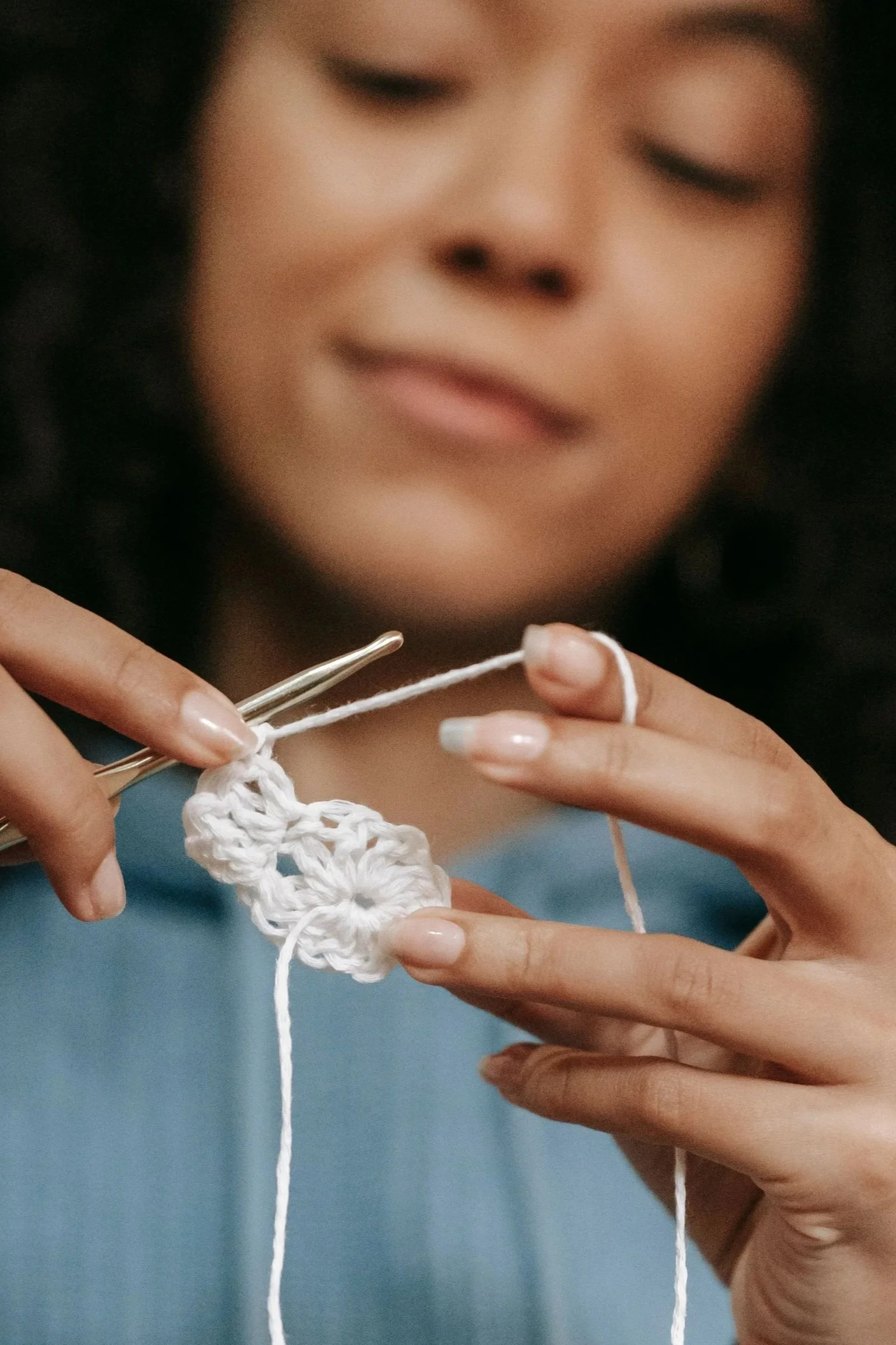
BFRB Support & Treatment

A Specialty Many Practitioners Don’t Offer
Body-Focused Repetitive Behaviors — including chronic hair pulling or skin picking — are complex, frequently misunderstood conditions. Dr. Mallare offers dedicated virtual BFRB care across Maryland, with genuine clinical experience and successful outcomes using evidence-based medications.
Frequently Asked Questions
What are BFRBs, exactly?
A cluster of intense, compulsive habits involving pulling, picking, biting, or scraping one’s own hair, skin, or nails, leading to physical tissue damage — including trichotillomania (hair pulling) and dermatillomania (skin picking). These are not acts of self-harm or “bad habits,” but biologically driven mechanisms the nervous system uses to regulate tension, under-stimulation, or emotional distress.
How does medication help?
There are now medications that have successfully treated BFRBs, and targeted prescribing can meaningfully reduce underlying urges — especially once co-occurring conditions like OCD or anxiety (which often fuel BFRB severity) are identified and addressed. Medications acting on serotonin and glutamate — two brain-chemical systems tied to urge control — can help tone down automatic compulsive urges.
What lifestyle strategies help alongside medication?
Tracking specific triggers (stress, boredom, transitions), plus sensory substitution tools and barrier strategies to protect skin and hair, tracked over time using evidence-based scales.
How We Build Your Treatment Plan
-

1. Full Initial Evaluation
Identifying the specific BFRB (hair pulling, skin picking, or another form), severity, and any co-occurring OCD or anxiety.
-
2. Medication Trial
Starting with an evidence-informed option targeting urge regulation, with realistic expectations set about timeline (BFRB medication response is often gradual).
-
3. Trigger and pattern tracking
You and Dr. Mallare identify environmental and emotional triggers together, since awareness itself is part of treatment.
-

4. Coordinated behavioral support
Referral to a therapist trained in Habit Reversal Training (HRT) if you’re not already connected with one, since BFRBs typically respond best to medication plus behavioral therapy together.
What Recovery Can Look Like
Recovery from a BFRB is rarely “never again” — it’s a meaningful reduction in frequency and severity, more awareness before an episode starts, and less shame attached to setbacks when they happen. Many patients describe the biggest shift as finally being believed and understood, which itself reduces the stress that often fuels the behavior.